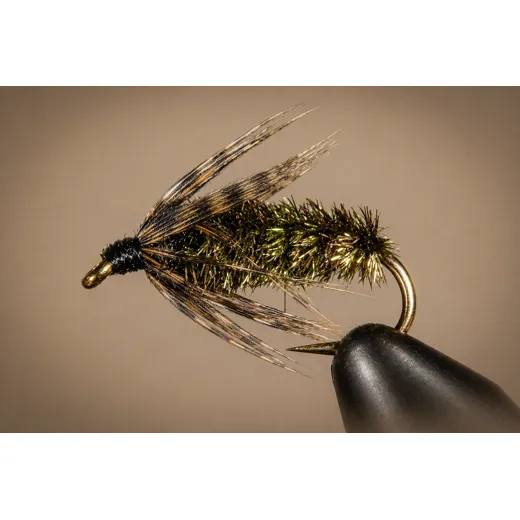
Grouse Soft Hackle – Peacock, Red & Yellow
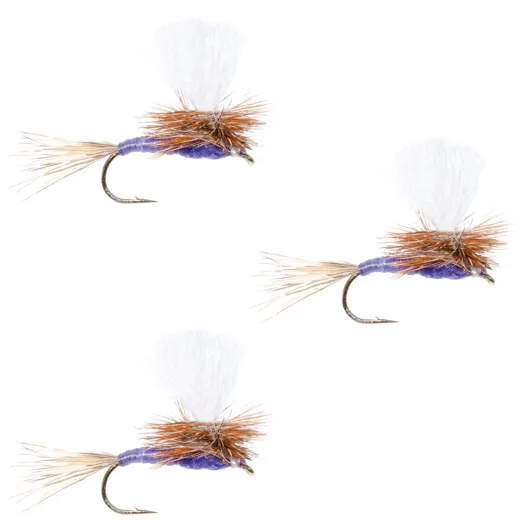
The Grouse Soft Hackle is a simple yet highly effective traditional wet fly pattern designed to imitate emerging insects and other subsurface food sources trout feed on throughout the season. Built with a buggy peacock herl body and natural grouse soft hackle, this fly creates lifelike movement and subtle flash underwater that trout find difficult to resist.
There’s something undeniably effective about peacock herl, and combined with the natural pulsing action of grouse hackle, this pattern excels when swung, dead drifted, or lightly stripped through current seams and riffles.
An excellent choice for anglers targeting trout in rivers, streams, and soft water during active feeding periods.
Key Features
| Component | Material |
|---|---|
| Body | Buggy peacock herl |
| Hackle | Natural grouse soft hackle |
| Use Case | Swung, dead drifted, or lightly stripped in current seams and riffles |
| Target Species | Trout |
| Best Environment | Rivers, streams, soft water |
FAQ
What makes the grouse soft hackle effective in fishing?
The combination of peacock herl body and natural grouse soft hackle creates lifelike movement and subtle flash underwater, mimicking emerging insects and subsurface food sources that trout feed on.
Can this fly be used in both still and moving water?
Yes, it performs well in rivers, streams, and soft water, especially during active feeding periods when trout are more likely to strike.
Is the hackle made from natural materials?
Yes, the grouse soft hackle is made from natural materials, providing a realistic appearance and movement when fished.
Julia Hodges –
This fly works great in slow-moving streams. The natural hackle movement mimics real insects and I’ve had several trout take it on a dead drift. Easy to tie and performs consistently in the spring and early summer.
Lily Mills –
I’ve used this pattern in several rivers and it’s one of the most reliable wet flies I’ve tried. The peacock herl gives a good flash and the grouse hackle adds a natural pulse. Works well when swung or drifted.
Abigail Mackay –
Fished it during a cold spring morning and caught a brown trout on the first cast. The subtle flash and movement are spot-on. A solid choice for subsurface feeding trout.