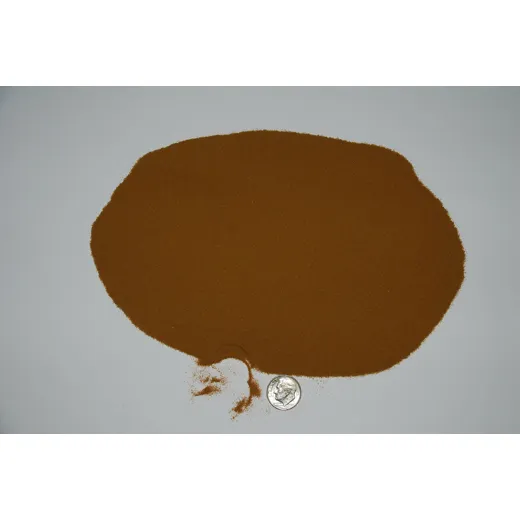
Golden Pearls 100-200 Micron
Golden Pearls is a revolutionary new larval diet that has successfully replaced live Artemia nauplii in marine fish hatcheries in Europe. A patented processing technique (agglomeration of micro-encapsulated particles) results in feed particles or “clusters” that resemble raspberries under the microscope. The tiny air pockets keep the feed particles suspended in the water column, not settling on the tank bottom, and closely mimic the behavior of live brine shrimp nauplii.
Ingredients: Brine shrimp, squid, shrimp and fish protein, animal protein, purified fish oils, phospholipids, astaxanthin, vitamins, protected minerals, antioxidants, and immunostimulants.
Analysis:
| Protein | Crude Fat | Fiber | Moisture |
|---|---|---|---|
| 54% | 9% | 2% | 9% |
Available in 6 sizes. The 2 oz. size comes in a jar.
FAQ
What makes Golden Pearls different from live Artemia nauplii?
Golden Pearls use a patented agglomeration process to create micro-encapsulated clusters that mimic the movement and appearance of live brine shrimp nauplii. The tiny air pockets keep the particles suspended in the water column, improving feeding efficiency for larval fish.
Are Golden Pearls suitable for all marine fish species?
Golden Pearls are specifically formulated for larval marine fish and have been successfully used in marine fish hatcheries in Europe. Results may vary depending on species and life stage.
How should Golden Pearls be stored?
Store in a cool, dry place away from direct sunlight. Keep the container sealed when not in use to maintain freshness and nutrient stability.
Lily Springer –
Used Golden Pearls in a larval fish rearing setup and noticed a significant improvement in feeding activity. The particles stay suspended and fish show better growth rates compared to previous live feed trials. Easy to mix and consistent in quality.
Maria Bell –
The feed works well for early-stage marine larvae. The suspension in water is excellent and reduces the need for constant feeding adjustments. Slightly more expensive than live feed, but the consistency and hygiene are worth it.
Eric Randall –
After switching from live Artemia, we saw fewer feeding issues and better survival rates. The 100-200 micron size fits perfectly with our larval tanks. No settling on the bottom, which was a major problem with previous feeds.