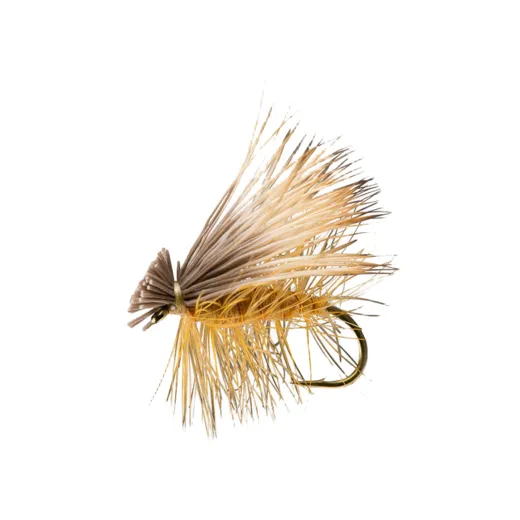
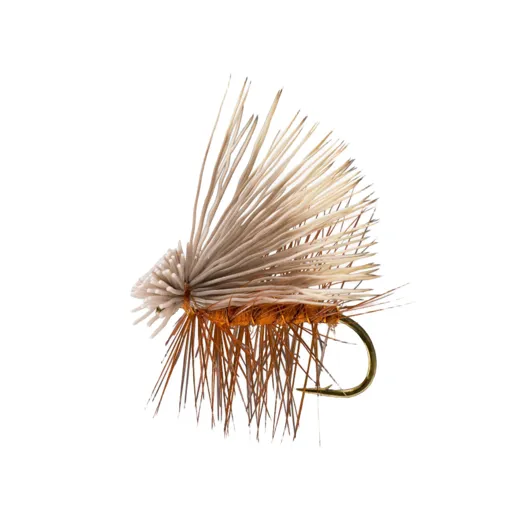
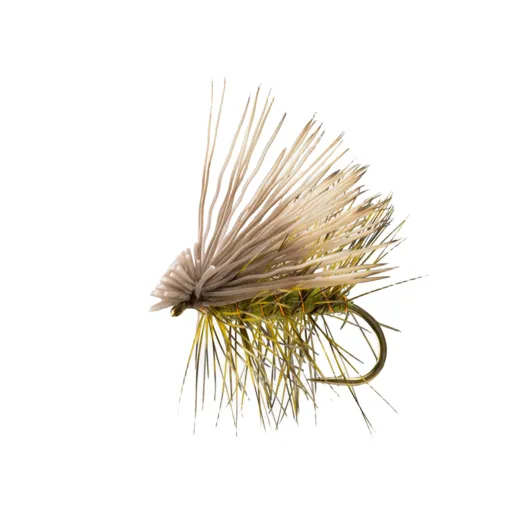
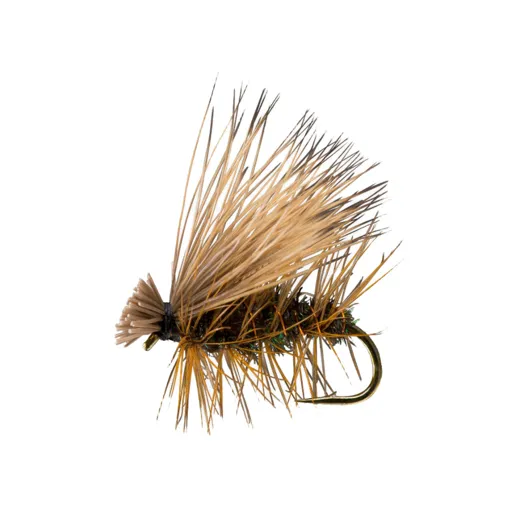
Rio Flies Elk Hair Caddis Dry Fly
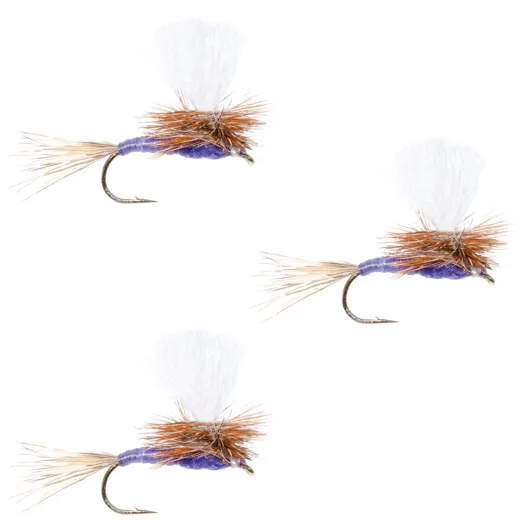
This Rio Flies Elk Hair Caddis Dry Fly can be fished many different ways to elicit a strike. Dead drifted is most common, but twitching it, or skating it can be very exciting. Also try letting the fly get pulled under the water on a tight line and swing it around until it’s below you. This fly has a thin tapered body, high quality palmered hackle and wire rib to help with its durability. The elk wing and head are the correct profile and give excellent floatation.
- Orange variant is especially good in the fall as an October Caddis imitation
- Caddis are a staple food for trout and are available many months per year
- Sold individually
| Feature | Detail |
|---|---|
| Material | Elk hair, palmered hackle, wire rib |
| Body Shape | Thin tapered body |
| Floatation | Excellent due to elk wing and head profile |
| Usage | Dead drift, twitch, skate, or swing under water |
| Region of Shipping | Canada only |
FAQ
What are the best fishing techniques for this dry fly?
Dead drifting is most common, but twitching, skating, or swinging the fly under the water on a tight line can also be effective.
Is the orange variant suitable for specific seasons?
Yes, the orange variant is especially effective in the fall as an October Caddis imitation.
Can this fly be used for trout fishing?
Yes, caddis are a staple food for trout, and this fly closely mimics their natural profile.

Kevin Murray –
This fly performs well in fall waters. The floatation is natural and it stays on the surface without sinking too quickly. I used it during a dead drift and got a solid strike from a brown trout.
Warren Glover –
The elk hair gives a realistic look. I tried both orange and natural, and the orange worked better in October. It holds up well in the wind and doesn’t break easily.
Penelope Hunter –
Great detail on the hackle and body. I’ve used it in both still and moving water. The swing technique worked well when the current was strong.