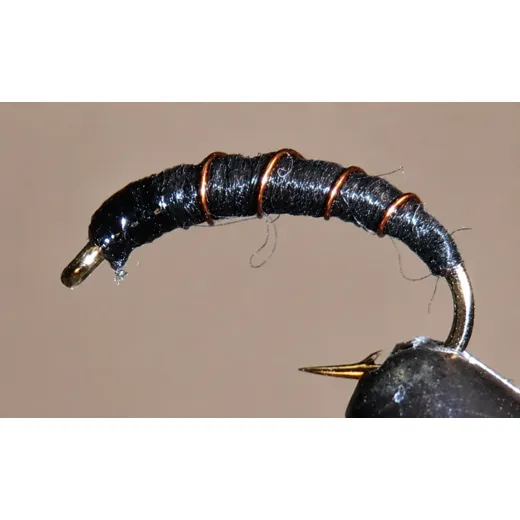
Miracle Nymph by Stone Creek Outfitters
The Miracle Nymph is a highly effective midge nymph pattern designed to imitate the small aquatic insects trout feed on year-round, especially in tailwaters and technical fisheries. Known for its simple yet productive design, this pattern consistently produces fish in a wide range of water conditions.
Available in multiple natural and attractor colors, the Miracle Nymph excels when trout are feeding selectively on midges and other small subsurface insects. Its slim profile and subtle presentation make it an excellent choice for pressured waters, clear flows, and slow-moving seams where trout closely inspect their food.
Whether fished as a single fly, part of a nymph rig, or beneath an indicator, the Miracle Nymph is a dependable producer in various fishing scenarios.
| Color Options | Size Range |
|---|---|
| Natural, Attractor, Olive, Brown, Tan | 10/0 to 14/0 |
FAQ
What types of water conditions work best with the Miracle Nymph?
The Miracle Nymph performs well in clear flows, pressured waters, and slow-moving seams where trout closely inspect their food. It is especially effective in tailwaters and technical fisheries.
Can the Miracle Nymph be used in a nymph rig?
Yes, the Miracle Nymph can be used as a single fly or as part of a nymph rig. It is also effective when fished beneath an indicator.
Is the Miracle Nymph suitable for all seasons?
Yes, it is designed to imitate small aquatic insects that trout feed on year-round, making it suitable for use across different seasons.
Yvonne Underwood –
Used the Miracle Nymph in a clear stream during early spring. It stayed natural and triggered a few strikes when the water was moving slowly. The color matched the midge patterns I saw, and it worked well in a single-fly setup.
Sue Edmunds –
Fished it in a tailwater with moderate current. The slim profile allowed it to sink smoothly and stay hidden. Got a few fish on it, especially when the trout were being selective.
Oliver Robertson –
Great for pressured waters. I used it under an indicator and saw consistent bites. The natural color worked best in the morning light when the water was still.
Andrea Mathis –
Worked well in a technical fishery. Tried it in both natural and olive colors. The olive version stood out a bit more in the current, but still produced good results.
Faith Marshall –
Fished it in a slow-moving seam during late fall. The subtle presentation made it hard to detect, and I got a solid strike after a few minutes of drifting.