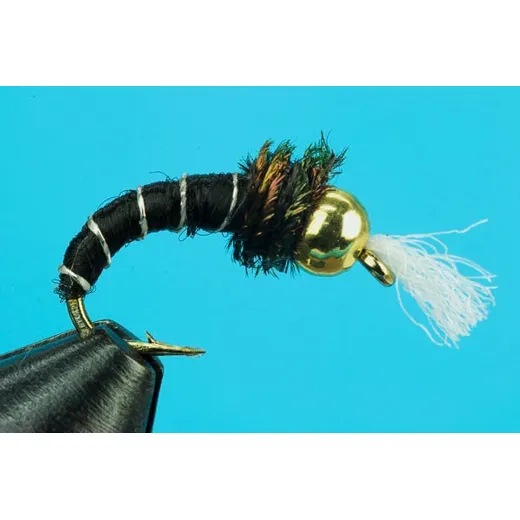
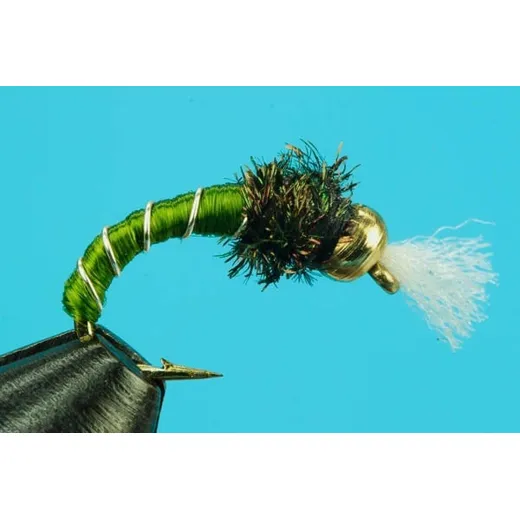
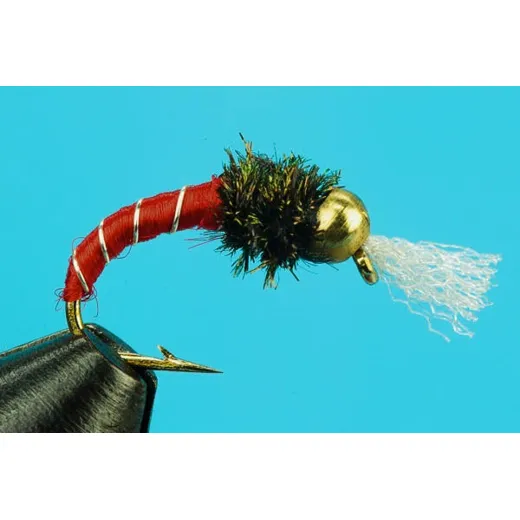
Chironomid Pupa-Beadhead
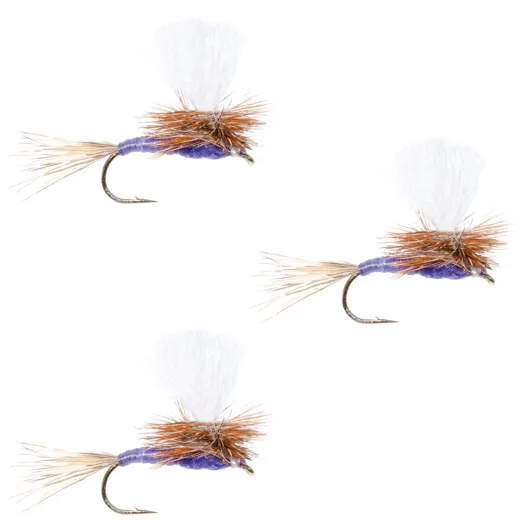
Great stillwater and tailwater pattern.
Representing the most common of trout food sources, the midges. AKA Chironomids. It has been estimated that up to 22% of a trout’s diet is composed of midges.
This pattern can be deadly, fish slowly, great for lakes and rivers. Gets deep fast!
| Feature | Detail |
|---|---|
| Pattern Type | Pupa |
| Target Species | Trout |
| Best Use | Stillwater and tailwater |
| Design Basis | Chironomid midge larvae |
FAQ
What makes this fly effective for trout?
This fly mimics the natural midge pupa, which makes up to 22% of a trout’s diet. Its realistic appearance and slow presentation help trigger strikes, especially in stillwater and tailwater environments.
Is this pattern suitable for both lakes and rivers?
Yes, the Chironomid Pupa-Beadhead is designed for both stillwater and tailwater fishing due to its natural movement and depth performance.
How does it perform in deep water?
It gets deep fast, allowing anglers to target deeper sections of lakes and rivers where trout may be holding.
Chloe Marshall –
This fly worked perfectly in a quiet lake. The trout took it slowly and consistently. It’s a great match for midge-based feeding habits. I’ve used it in multiple locations and it’s reliable.
Joseph Short –
Fished it in a river during low flow and saw several strikes. The depth and natural look made it stand out. A solid choice for midge patterns.
Irene Brown –
Good representation of midge pupa. A bit heavier than expected, but still effective. Works well in stillwater conditions with slow retrieves.