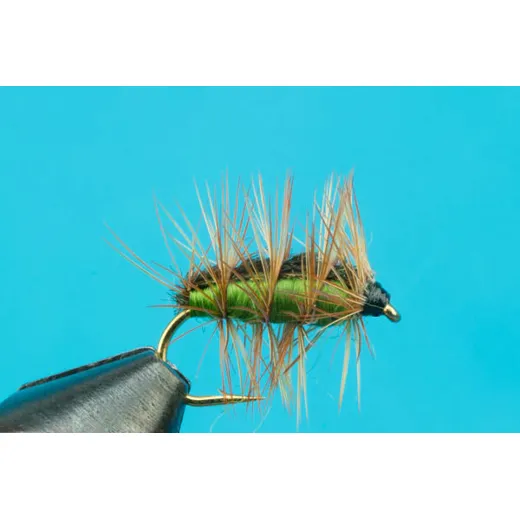
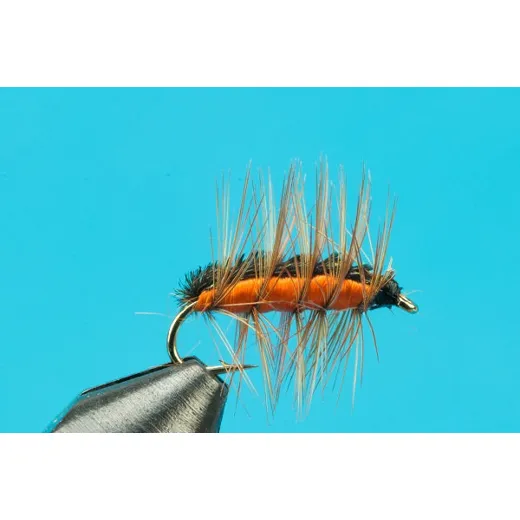
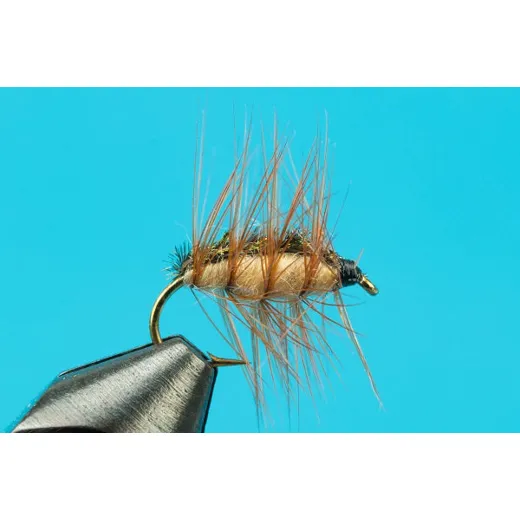
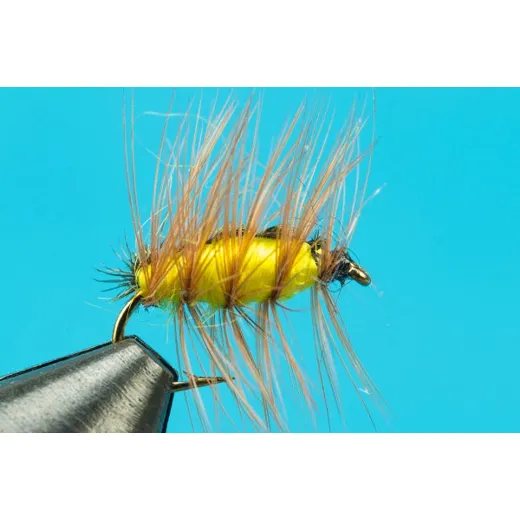
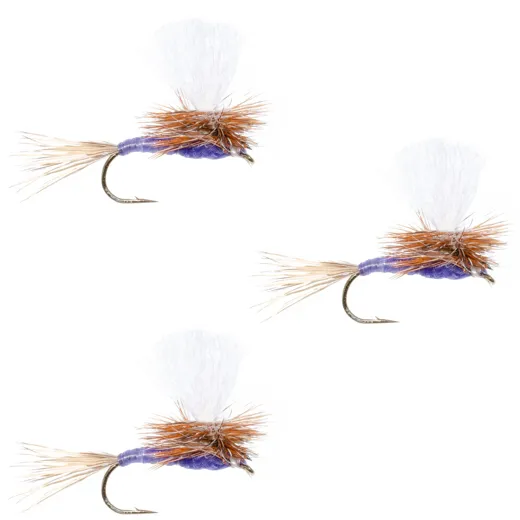
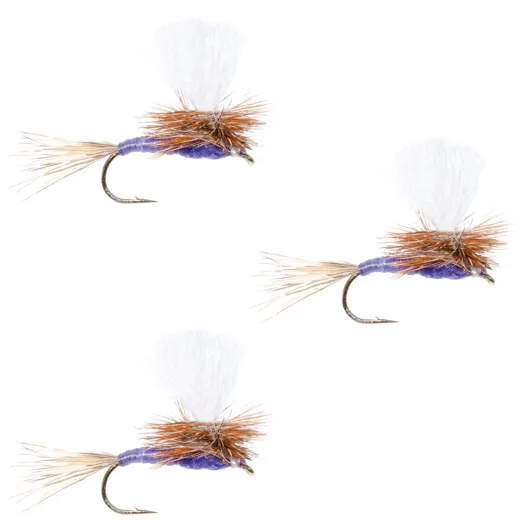
Crackleback Pattern
Developed by Ed Story, these patterns have been used to catch everything under the sun.
Can be dead drifted dry, and then submerged on the retrieve.
Often catches fish when nothing else will.
As often fished wet as dry. A legend in the Ozarks.
| Feature | Description |
|---|---|
| Pattern Type | Wet and dry fly |
| Origin | Ozarks region |
| Designer | Ed Story |
FAQ
What is the best way to fish the Crackleback pattern?
It can be effectively fished both dry and wet. Dead drifting dry and then submerging on the retrieve is a common technique.
Is the Crackleback pattern suitable for all types of fish?
It has been known to catch a wide variety of fish, especially in the Ozark region where it is a well-established pattern.
Can the Crackleback be used in different water conditions?
Yes, it performs well in various conditions, particularly when other lures or flies fail to produce results.

Sam Piper –
Used the Crackleback in a slow-moving creek and caught a large bass on a dry fly. It worked even when other patterns didn’t. Great for when you’re stuck with nothing else.
Robert Glover –
Fished it wet in a muddy stretch and got a few small trout. The pattern holds up well in low visibility. Not a daily go-to, but reliable when needed.
Ruth Rutherford –
This fly is a game-changer in the Ozarks. I’ve used it in both clear and murky water and it consistently draws fish when others don’t.