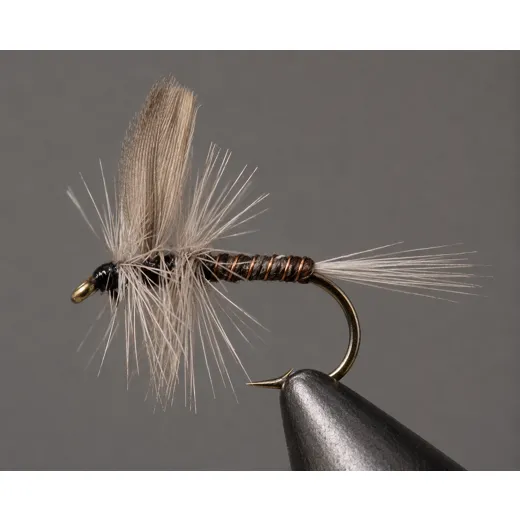
Blue Quill
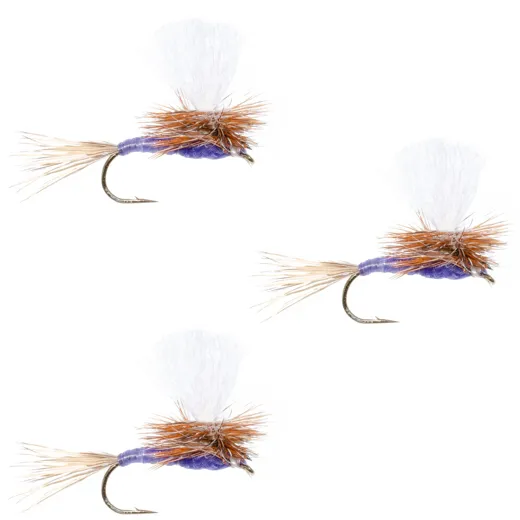
The Blue Quill is a classic early-season mayfly pattern that imitates one of the first significant hatches trout encounter after a long winter. Although small in size, Blue Quill hatches can occur in impressive numbers, bringing trout to the surface and creating some of the season’s most exciting dry fly opportunities.
Often appearing in late winter and early spring, Blue Quills signal the beginning of consistent surface feeding activity. Trout that have spent months feeding primarily on subsurface insects frequently shift their attention to these emerging mayflies, making a realistic Blue Quill imitation an essential pattern for early-season success.
Its delicate profile closely matches natural Blue Quill mayflies and excels on rivers, streams, spring creek.
| Specification | Value |
|---|---|
| Pattern Type | Mayfly Dry Fly |
| Season | Early Spring |
| Target Trout Behavior | Surface Feeding |
| Best Use Environment | Rivers, Streams, Spring Creek |
FAQ
What time of year is the Blue Quill most effective?
The Blue Quill is most effective in late winter and early spring when mayfly hatches begin to occur.
How does the Blue Quill compare to other early-season patterns?
The Blue Quill closely mimics natural mayflies and is particularly effective for triggering surface feeding in trout that have shifted from subsurface feeding.
Is the Blue Quill suitable for all types of water?
Yes, it excels on rivers, streams, and spring creeks where early-season mayfly hatches are common.
Anthony Sutherland –
I’ve used the Blue Quill during early spring trips and it consistently brings trout to the surface. The pattern matches the natural hatch well and is easy to cast on slow-moving streams.
Piers Kelly –
Great for early season fishing. It’s subtle and realistic, and I noticed trout reacting to it even in low visibility conditions.
Rachel Roberts –
Felt like a natural hatch when I first tried it. The action on the water is smooth and the flies stay on the surface well.
Wanda Wright –
Works best in clear, slow streams. I caught several trout on it during a late February trip in the mountains.
Sam Underwood –
One of the most reliable early-season patterns I’ve used. It’s small and delicate, which makes it ideal for imitating the first mayfly hatches.