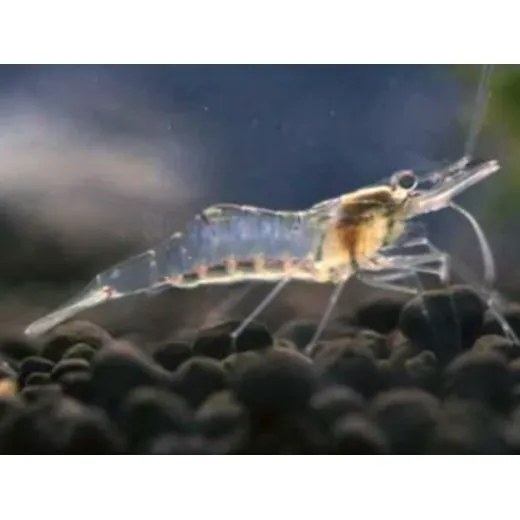
Ghost Shrimp (Pack of 25)
Ghost shrimp are small, translucent freshwater crustaceans, averaging 1.5 to 3 inches, known for their nearly invisible bodies and their role as scavengers and tank cleaners in aquariums. Also known as glass shrimp, they have a segmented body, feathery antennae, and a distinct rostrum, and they thrive in planted environments where they can find food and hide during molting.
Product Specifications
| Feature | Detail |
|---|---|
| Species | Ghost Shrimp (Palaemonetes paludosus) |
| Quantity | 25 pieces |
| Size | 1.5 to 3 inches |
| Environment | Planted freshwater aquariums |
| Body Color | Translucent, nearly invisible |
FAQ
What is the ideal tank environment for ghost shrimp?
Ghost shrimp thrive in planted freshwater aquariums with plenty of hiding spots and soft substrates. They prefer moderate water conditions with stable temperature and pH levels.
Do ghost shrimp eat other fish or invertebrates?
No, ghost shrimp are primarily scavengers and feed on organic matter, dead plant material, and detritus. They do not pose a threat to fish or other invertebrates.
How long do ghost shrimp live in an aquarium?
Ghost shrimp typically live for 1 to 2 years under proper care, with lifespan depending on water quality and tank conditions.

Alan Miller –
I bought this pack for my 55-gallon planted tank. The shrimp arrived healthy and quickly started cleaning up algae and leftover food. They hide well among the plants and don’t stress the fish. Great value for the quantity.
Michael Gill –
The shrimp are very active and help keep the tank clean. I noticed less buildup of detritus after introducing them. They seem to prefer areas with dense vegetation and are calm most of the time.
Dorothy Kelly –
Perfect for beginners. The pack came with 25 shrimp, and they all survived the first week. I didn’t have to worry about feeding them—just maintain good water conditions and they take care of the cleaning.
Bella Clarkson –
They are small and hard to spot, which is both good and tricky. I had to adjust my plant layout to give them hiding spots. Otherwise, they were active but didn’t seem to eat much initially.