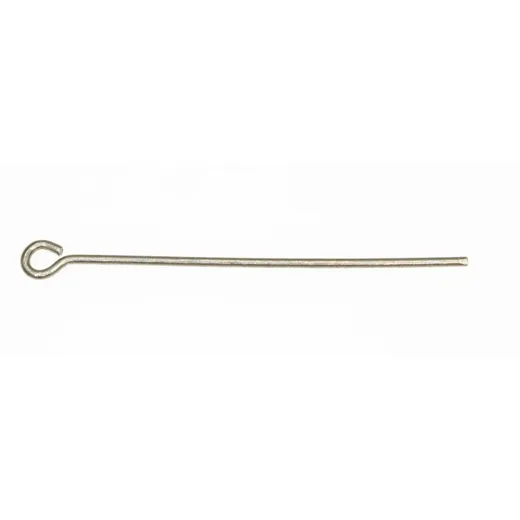
Umpqua Trout Shank
Umpqua’s Trout Shanks are straight shanks that are perfect for tying “trailing hook” style flies, similar to those commonly used for steelhead. They also work exceptionally well for many articulated style streamers. The 20mm size is a fine wire shank, which is perfect for tying small articulated leech-type patterns. The 50mm shank uses a heavier gauge of wire and is ideal for larger streamer patterns such as sculpin or baitfish trout streamers, or even small salmon and steelhead flies. 25 shanks per pack.
- Articulated Trout Flies
- Shank
- Straight
- Bronze
- 20mm & 50mm shanks
| Size | Use Case |
|---|---|
| 20mm | Small articulated leech-type patterns |
| 50mm | Larger streamer patterns (sculpin, baitfish trout, small salmon or steelhead flies) |
FAQ
What is the difference between the 20mm and 50mm shanks?
The 20mm shank is finer and suited for small articulated leech-type patterns. The 50mm shank is heavier gauge and better for larger streamer patterns like sculpin or baitfish trout streamers.
Are these shanks compatible with articulated streamers?
Yes, these straight shanks work exceptionally well with many articulated style streamers.
What type of wire is used in the shanks?
The shanks are made of bronze wire, with the 20mm size using a fine gauge and the 50mm size using a heavier gauge.
Edward Lewis –
I’ve been using the 20mm shanks for my leech patterns and they hold the hook well. The bronze finish is durable and the straight design makes tying smooth. Great for small streamers.
Rachel Springer –
The 50mm shanks are perfect for my sculpin streamers. They’re strong and the wire doesn’t bend easily. I appreciate the clear size distinction between the two options.
Molly Davidson –
Tied several patterns with the 20mm shanks and found them reliable. A bit harder to work with than some other shanks, but the results are solid for small flies.
Rose MacLeod –
Excellent quality and consistent sizing. The pack includes 25 shanks, which is enough for a few weeks of tying. I use both sizes depending on the pattern I’m making.